Assistant Professor of English, Jadavpur University
PhD, University of St Andrews UK
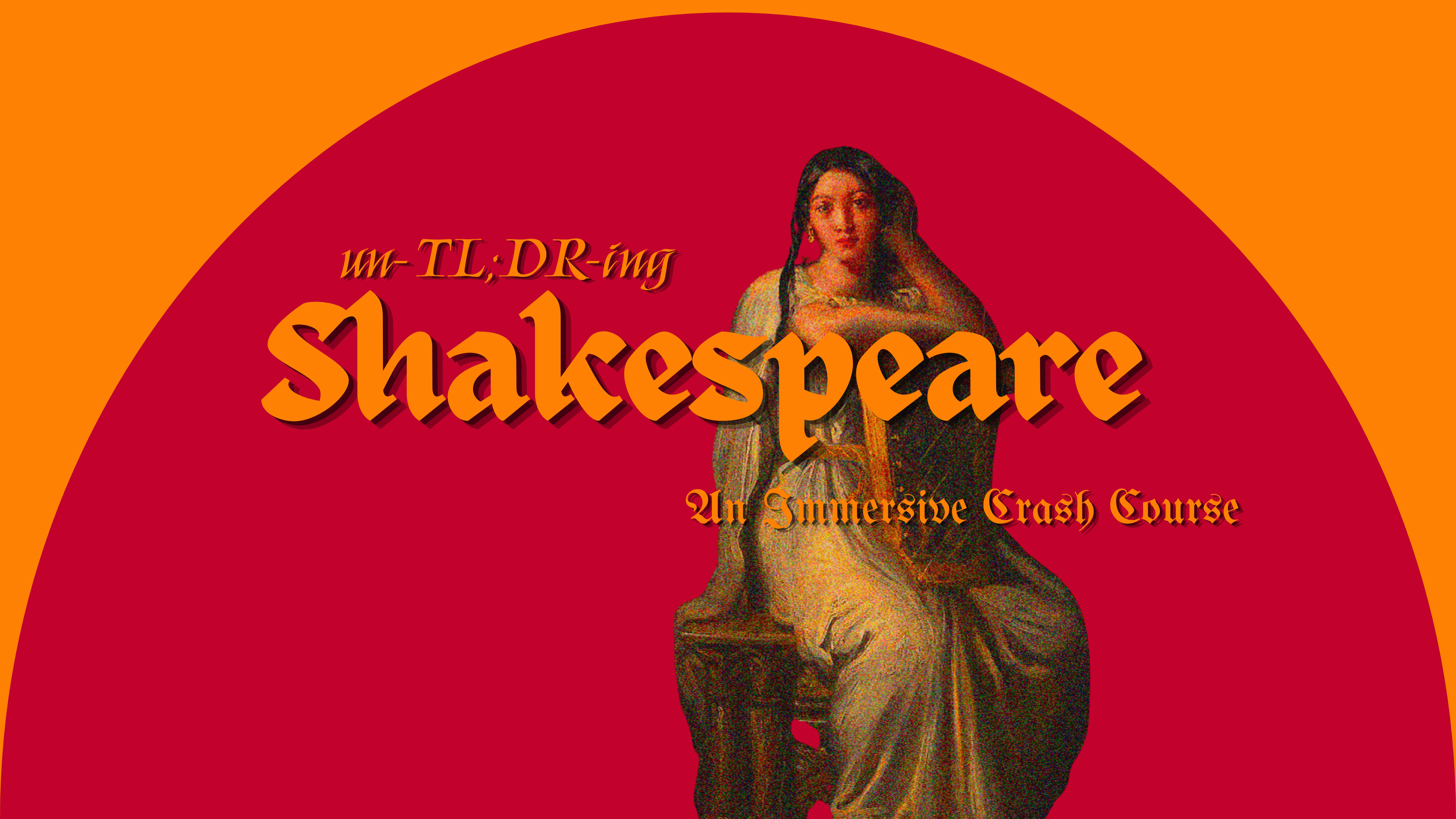
All of us who read and speak and write English quote Shakespeare. All of us, everyday, knowingly or unconsciously, quote Shakespeare. Shakespearean narratives inform the way we communicate, tell stories, feel love, anger, sorrow; they inform modern literature, film, web series, education.
And yet how many of us have encountered his works directly beyond the tedium of syllabi and examinations? This course aims to “break the ice” between Shakespeare’s works and the lay reader. Shakespeare’s plays, in his own time, were popular entertainment, comparable to mainstream Bollywood blockbusters, they played to full houses, for weeks, months, years. Pickpockets and aristocrats and fishwives and prostitutes watched…
All of us who read and speak and write English quote Shakespeare. All of us, everyday, knowingly or unconsciously, quote Shakespeare. Shakespearean narratives inform the way we communicate, tell stories, feel love, anger, sorrow; they inform modern literature, film, web series, education.
And yet how many of us have encountered his works directly beyond the tedium of syllabi and examinations? This course aims to “break the ice” between Shakespeare’s works and the lay reader. Shakespeare’s plays, in his own time, were popular entertainment, comparable to mainstream Bollywood blockbusters, they played to full houses, for weeks, months, years. Pickpockets and aristocrats and fishwives and prostitutes watched his plays. They were not meant to be confined to university classrooms and specialized readers.
For the next eight weeks we immerse ourselves in his works, and in his world. We ask ourselves—what can we learn from his writings? Can they aid us as we come to grips with our selves and our worlds in this age of hyper-alienation? Can we tell better stories? Does he live up to hype?
NB: Shakespeare was a prolific writer himself, and perhaps the most written-about writer in world literature. For pragmatic reasons we limit ourselves to specific themes, questions and texts in each session.
Starts on July 25, 2026
Sessions: Saturdays, 11.30 AM IST
Duration: Eight Weeks (Online)
Cohort: Limited to 20 participants
Enrolment Closed
Sessions
Each weekly session is held live (a Google Meet or Zoom link is shared with course participants). Sessions usually run for about 90 minutes and are typically divided into two parts: a lecture by the faculty, followed by an open discussion among participants and faculty in an exploratory and collaborative setting.
Writing & Discussion
By Wednesdays, participants write a short reflection (about 150 words) on assigned readings in the shared course space. This reflection could take any form. It could be a question, a connection, an observation or a refutation. Each week, participants read and respond to reflections shared by others in the cohort. This allows conversations to move beyond live sessions and continue through the week.
Week by Week
We know a lot about Shakespeare’s works but remarkably little about his life. This has resulted in a large number of conspiracy theories. Was Shakespeare really Shakespeare or did someone else write his plays? In this session we examine various accounts of Shakespeare’s life and also try and locate him in his milieu by looking at the flourishing professional theatres of Renaissance England.
Readings:
Schoenbaum (1977) William Shakespeare: A Compact Documentary Life
Foakes (1990) “Players & Playhouses” Cambridge Companion to English Renaissance Drama
Two months of live lectures and dialogic discussion | Small cohort of 18 (Approx) participants | Curated reading material | The Final Symposium | Alumni Network Membership | Certificate of Completion*
One-on-one mentoring sessions | Personalized learning plan | Access to a community of peers and mentors | Certificate of Completion*
III. Bursary
We offer a limited number of bursaries for those who cannot afford the course fee but are keenly interested in joining us. If you would like to apply for a bursary, please write to us at contact@liberalartscentre.org with the following: (a) a brief personal statement (300-500 words) on why you want to do this course and what draws you to the subject (b) a short note on your financial circumstances and why the fee is a barrier for you at this time.
You are welcome to also share (c) a piece of writing or work you are proud of - an essay, an article, a blog post, anything at all - so we can get a sense of who you are. We review bursary applications on a rolling basis and will get back to you as soon as we can.